01
Community & family
Meals are shared in groups, marriage is highly valued, and life’s milestones—from birth to death—are marked together.
Rooted in Bahr el Ghazal
Celebrating the history, culture, and living spirit of the Thuri people—united across generations by courage, community, and progress.
Courage. Unity. Progress.
A heritage carried forward.
“A people shaped by the land, held together by community.”
Introduction & history
Thuri is a sub-Luo community whose oral history traces a long migration from Ethiopia along the River Nile with other Nilo-Nilotic-speaking peoples, including the Anyuak, Acholi, and Pari.
The Thuri later parted ways with other groups and settled in Bahr el Ghazal, while related communities continued into other parts of South Sudan, Uganda, and Kenya. Over generations, the Thuri developed a distinct cultural identity grounded in land, kinship, spirituality, and shared responsibility.
The community is organized into three main sub-groups—Boodho, Thuri, and Dembo—and many clans. Pacai is recognized as the royal clan, linked to the hereditary institution of Ruoth.
Many names, one community.
Where we live
Thuri communities live mainly across Northern and Western Bahr el Ghazal States in the Republic of South Sudan. Homesteads are often set apart by the large farms that sustain families and connect everyday life to the land.
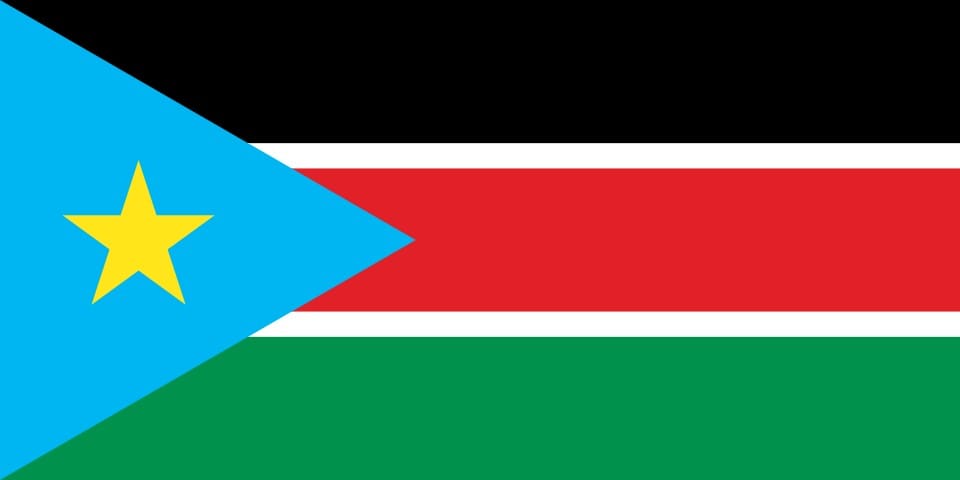
Our countryRepublic of South Sudan
A living culture
Thuri knowledge lives in everyday work and celebration—passed from elders to children, renewed in each season, and shared generously across the community.
Meals are shared in groups, marriage is highly valued, and life’s milestones—from birth to death—are marked together.
Families farm, hunt seasonally, collect honey, and gather lulu fruits, nuts, roots, tubers, and medicinal herbs.
Blacksmithing, carpentry, basket weaving, and pottery carry practical knowledge and artistic expression forward.
Bul, Gwenh-dhela, Rong, and Guma are among the dances that bring sound, movement, and memory to community celebrations.
From historic barter with neighbouring communities to growing entrepreneurship, trade continues to evolve across generations.
What we believe
Thuri believe in Juag Ciel—the One God, Creator of all things—and in life after death. Death, or thoo, is understood not simply as an ending, but as a transition.
The spirits of departed relatives, known as Jo Pijuak, remain connected to their families. Juag is approached through prayer (kuej) and sacrifice (muj ye Juak), with gratitude and dedication woven deeply into daily life.
Children and new marriages are dedicated in prayer.
Seeds and farms are prayed over before cultivation.
New harvests, homes, and years begin with thanksgiving.
Leadership & legacy
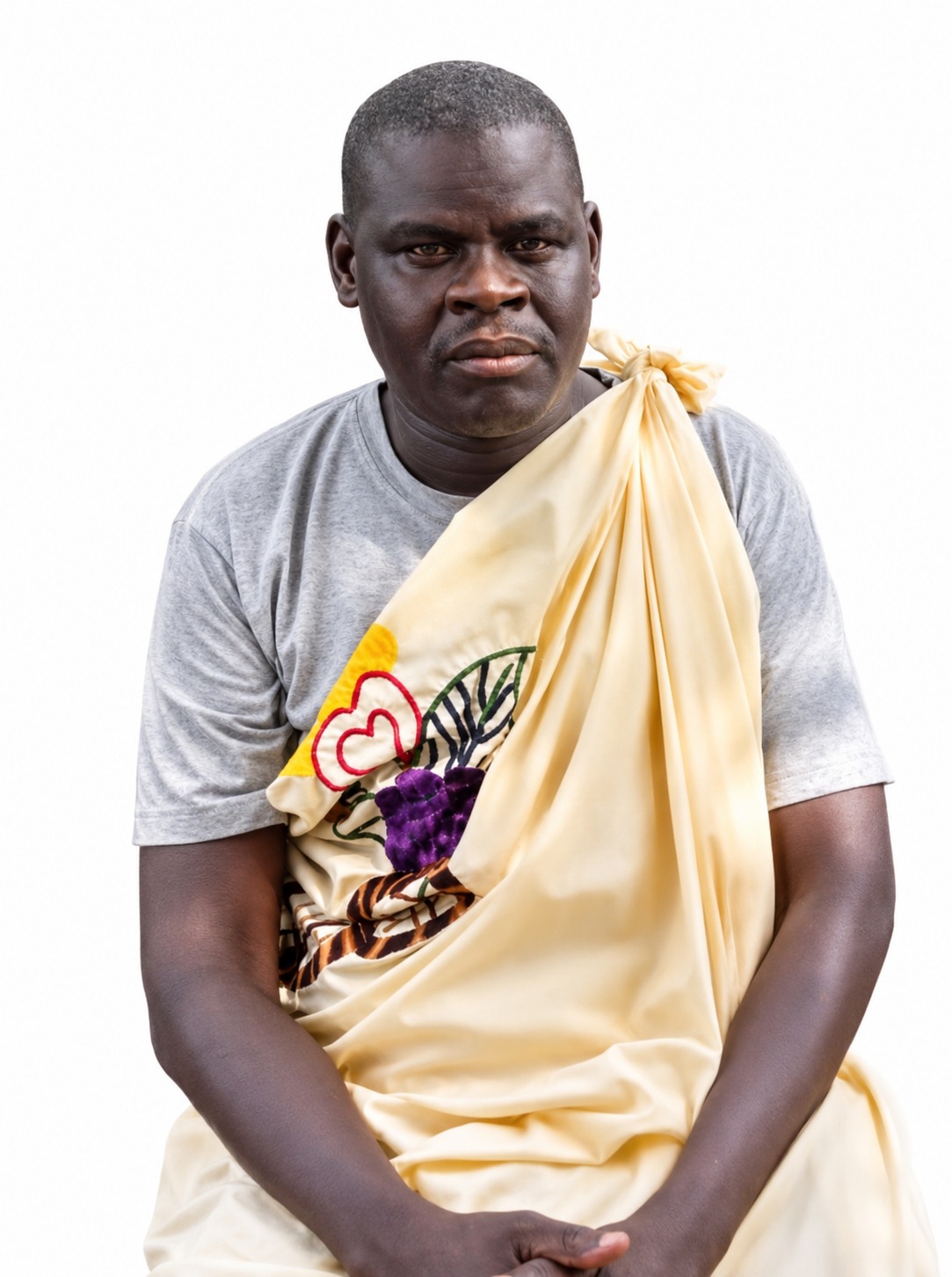
Chieftaincy, known as Ruoth, remains deeply significant in Thuri life. The role brings political, religious, social, judicial, and economic responsibilities.
The institution is hereditary and held in high respect. With Pacai recognized as the royal clan, Ruoth represents both continuity with the past and a duty of care toward the community’s future.
Leadership is not only inherited—it is lived through service.
Community moments
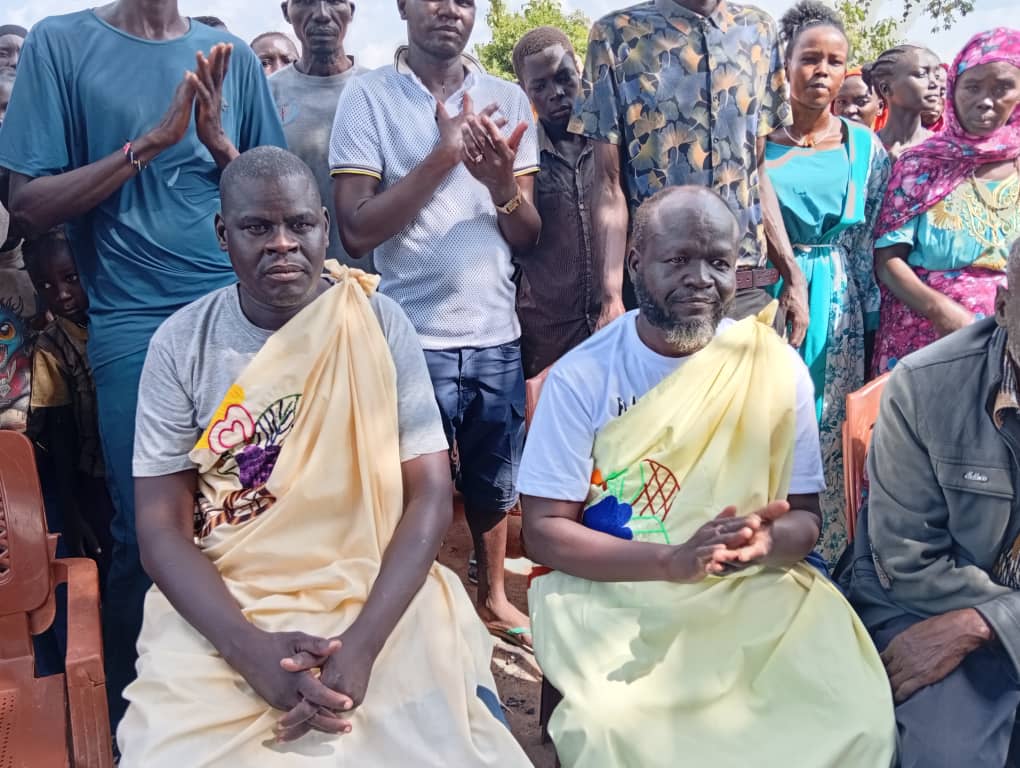
Gatherings, leadership, family, and shared experience—small windows into a living community.
Our living legacy
Thuriland holds stories, skills, values, and traditions found nowhere else. By sharing them, we keep them alive for the generations to come.
Return to the beginning